Profile
- Origin
- United States
- Built by
- Delfasco, LLC
- Type
- Practice bomb
- Unit cost
- About $13 each (1988 GAO estimate); FY2003 Air Force budget material listed BDU-33D/B at $19.50 each.
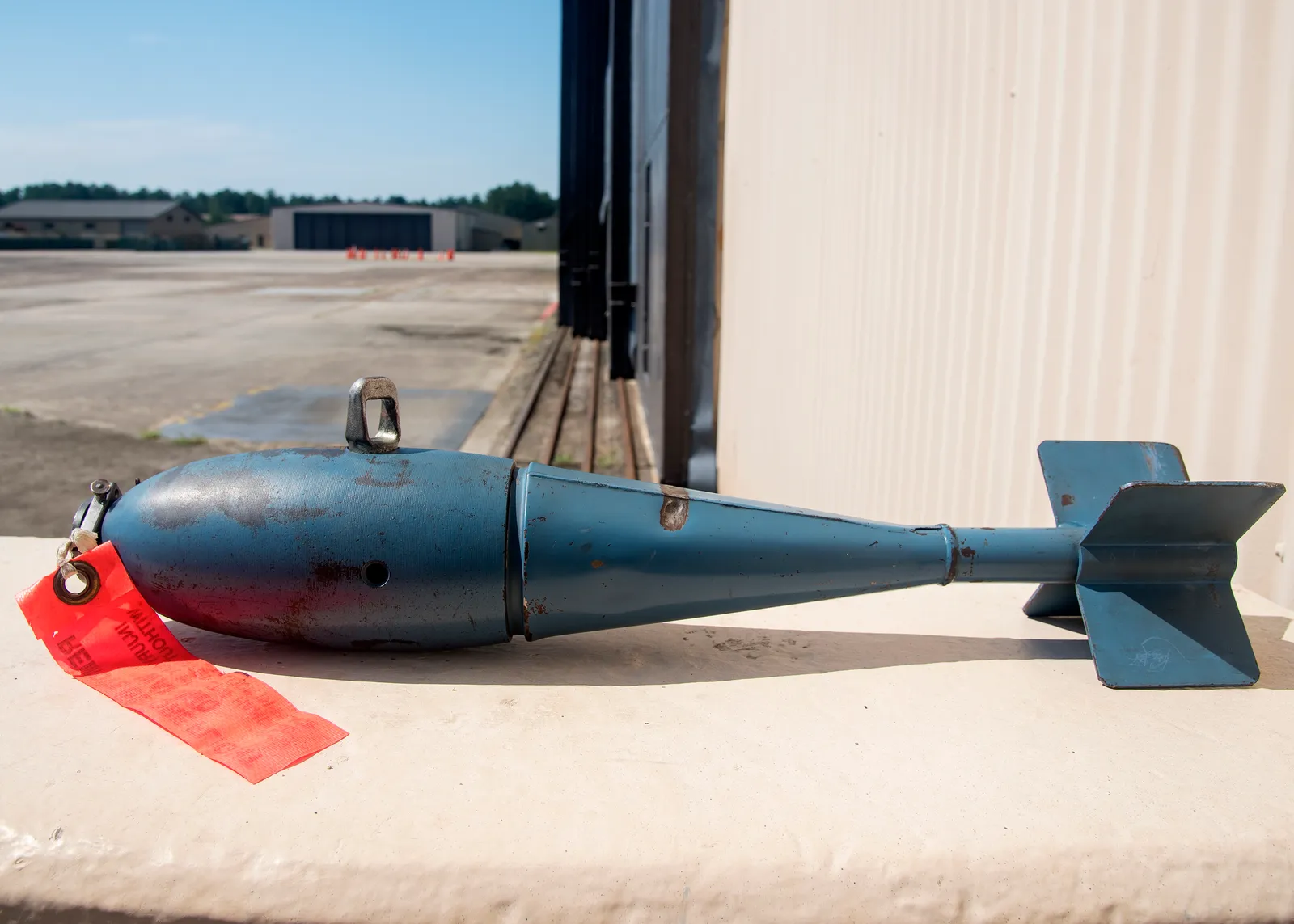
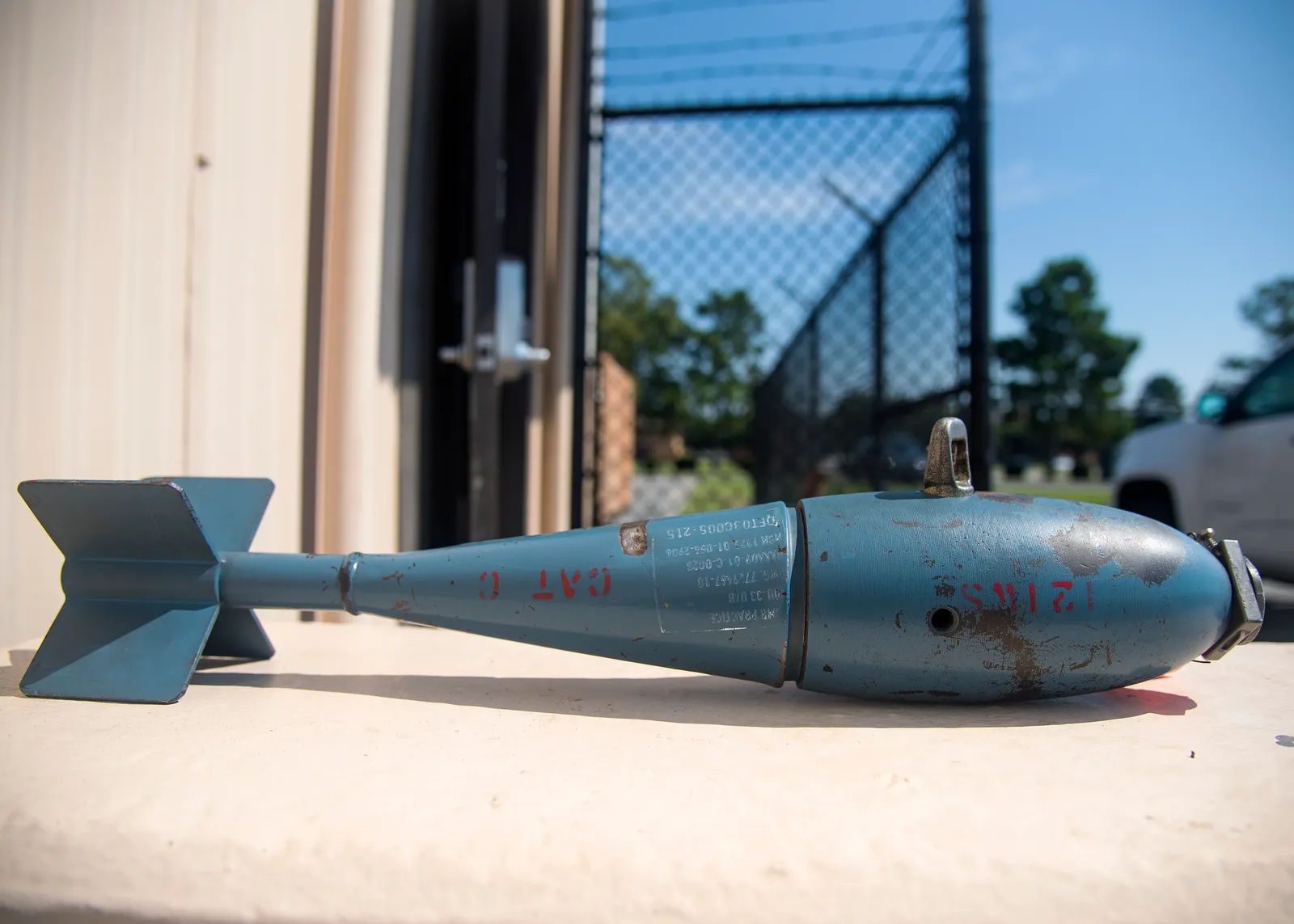
The BDU-33 practice bomb is a U.S. 25-pound sub-scale training munition used to simulate Mk 82 low-drag bomb releases without dropping a full-size weapon. Army material describes a tear-drop-shaped bomb body with a spotting charge, Air Force reporting notes the blue finish and approximate 22.5-inch length, and range guidance treats expended BDU-33s as practice munitions that still require controlled clearance.
Open-source military and manufacturer material documents the BDU-33 as a training bomb carried by tactical aircraft and trainer/light-attack platforms for range work and weapons-release practice.
| Carrier | Carrier type | Carriage evidence |
|---|---|---|
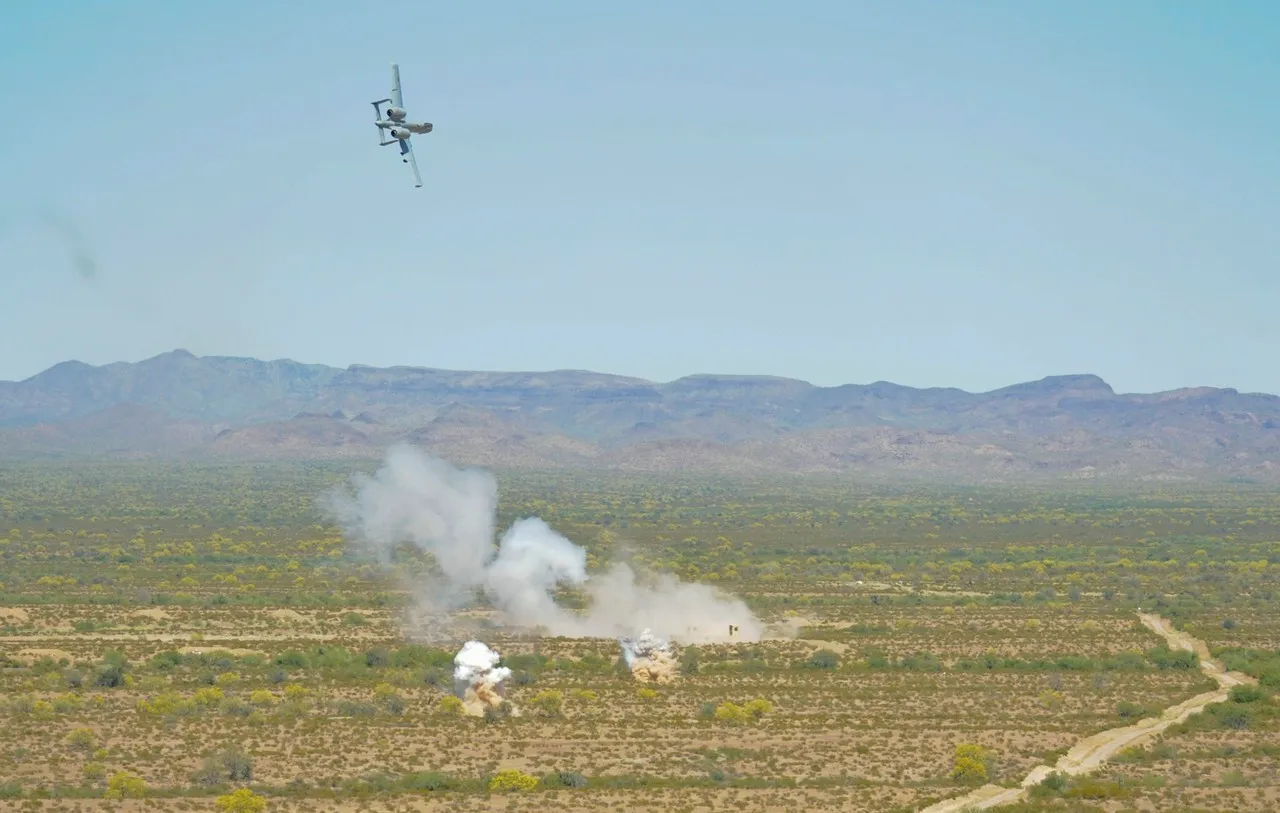
 | Close air support aircraft | Air Force imagery shows an A-10C dropping a BDU-33 during range training, and Moody AFB reporting describes A-10C carriage of BDU-33 training munitions. Sources: USAF A-10C drops BDU-33 | Wikimedia Commons, Moody A-10 dropped object reported | Moody AFB |
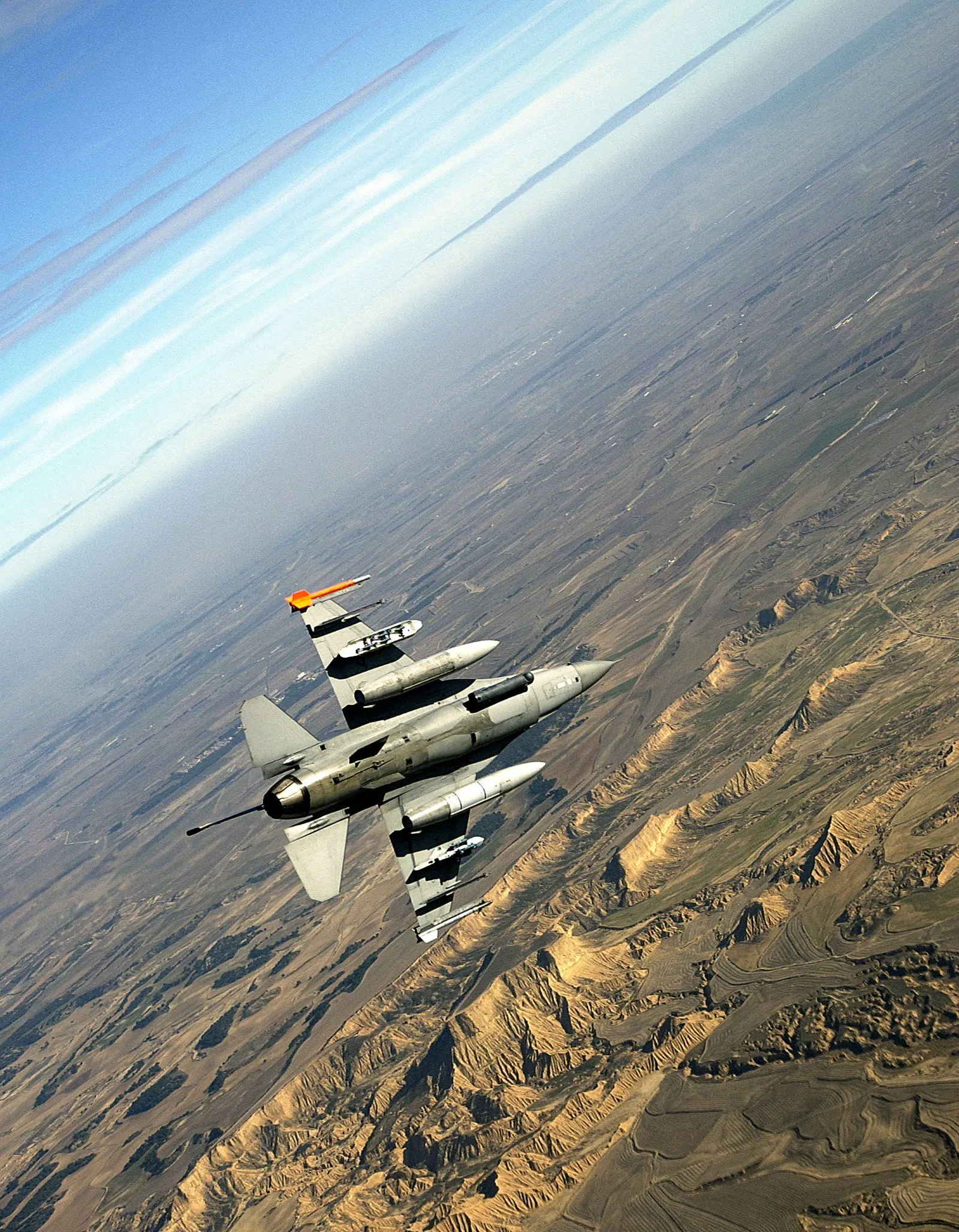
 | Multirole fighter aircraft | A DVIDS range-day report says F-16 pilots dropped BDU-33 and BDU-50 inert practice bombs, while a public-domain Air Force image shows an F-16 carrying BDU-33 practice bombs over the Bardenas range. Sources: Down on the Range | DVIDS, USAF F-16 over Bardenas Reales | Wikimedia Commons |
 | Trainer and light-attack aircraft | The Skyfox brochure lists BDU-33 practice bombs with a bomb dispenser among western payloads and mission profiles. Sources: L-39 SKYFOX brochure | Aero |
The BDU-33 is best understood as a sub-scale release and scoring aid rather than a battlefield bomb. It lets aircrews practice low-drag bomb delivery, observe a spotting-charge mark, and recover from range operations without expending a full-size Mk 82.
| Topic | Sourced detail | Why it matters |
|---|---|---|
| Training analogue | Army material describes the BDU-33 as a 25-pound practice bomb that simulates the Mk 82 low-drag bomb. | Readers should not infer the blast effect or combat role of a 500-pound Mk 82 from the BDU-33 training shape. |
| Aircraft release practice | Air Force and DVIDS material document A-10C and F-16 range events involving BDU-33 carriage or drops. | The munition is useful because it is tied to aircraft weapons-release training, not because it is a standalone combat weapon. |
| Range clearance | Air Force range guidance uses BDU-33 as an example of sub-scale practice munitions and limits handling of unprobed items to EOD or UXO-qualified personnel. | The small pyrotechnic charge and range-residue rules explain why practice bombs remain controlled ordnance after impact. |
Sources: BDU-33 Practice Bomb | Army JPEO A&A; Moody A-10 dropped object reported | Moody AFB; Down on the Range | DVIDS; AFMAN 13-212 Range Planning and Operations | DAF.
GAO reviewed a fiscal-year 1988 Department of Defense ammunition request that included about 426,000 BDU-33 practice bombs at roughly $5.5 million, a historical unit-cost baseline near $13.
Sources: Potential Reductions to DOD's Fiscal Year 1988 Ammunition Budget | GAO
Air Force budget material identified the BDU-33D/B under practice bombs with DODIC E969, Delfasco procurement history, and FY2003 planning at $19.50 per unit.
Sources: FY2003 Air Force Practice Bombs Budget | SAF/FM
The Army JPEO Ammunition portfolio described the BDU-33 as a 25-pound practice bomb that simulates the Mk 82 low-drag bomb and listed Delfasco as the prime contractor.
Sources: BDU-33 Practice Bomb | Army JPEO A&A
Moody AFB described a BDU-33 as a blue 25-pound training munition with a small pyrotechnic charge after an A-10C dropped three during a training sortie.
Sources: Moody A-10 dropped object reported | Moody AFB
DVIDS reported that 77th Fighter Squadron F-16 pilots dropped BDU-33 and BDU-50 inert bombs during a Poinsett Electronic Combat Range demonstration.
Sources: Down on the Range | DVIDS