- Side
- Soviet Union and Afghan government forces


Soviet forces used the 240 mm 2S4 Tyulpan in Afghanistan, including a June 1985 action near the Panjshir valley where a 2S4 battery employed Smelchak guided rounds against a Mujahideen stronghold.
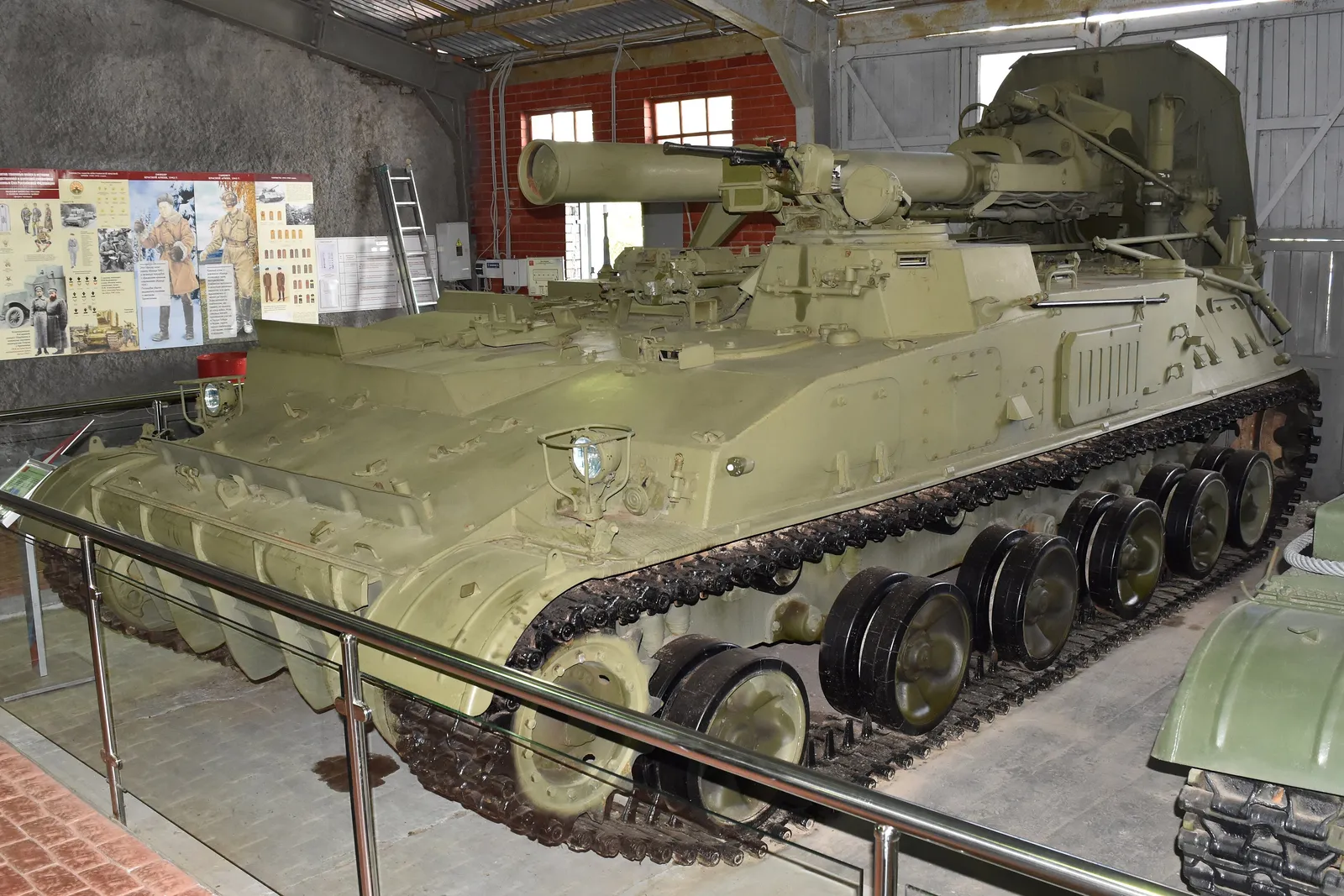
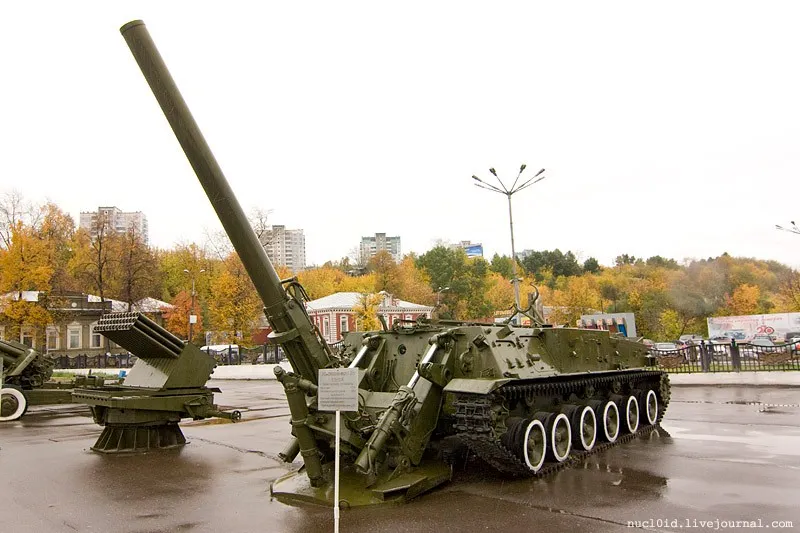
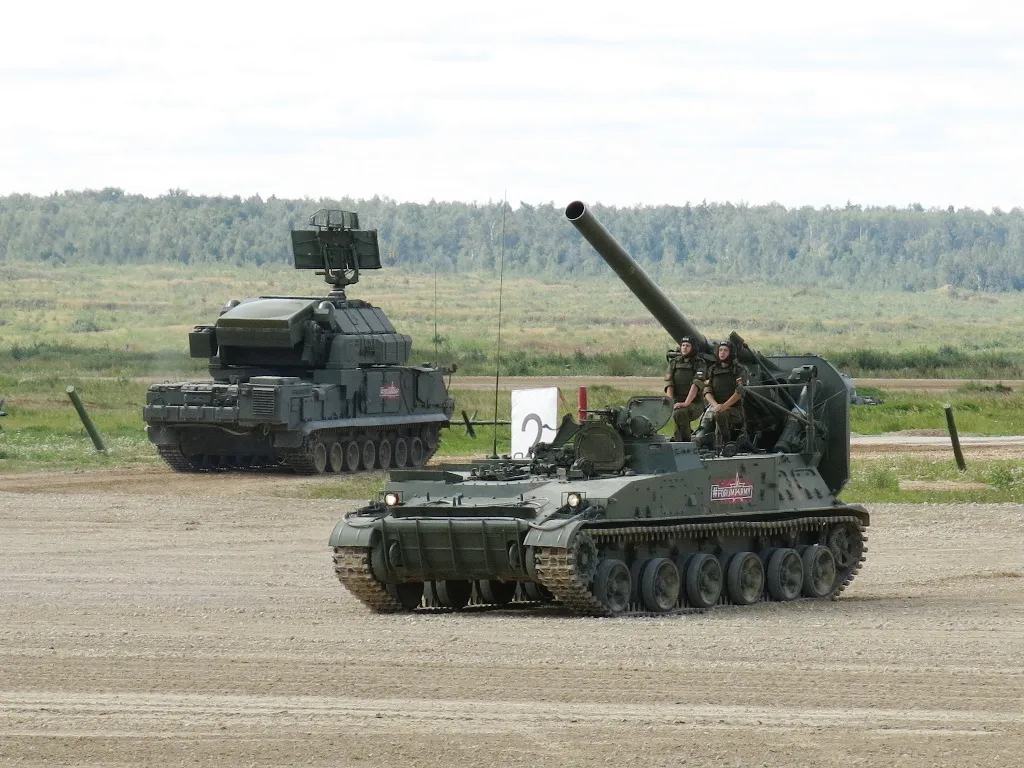
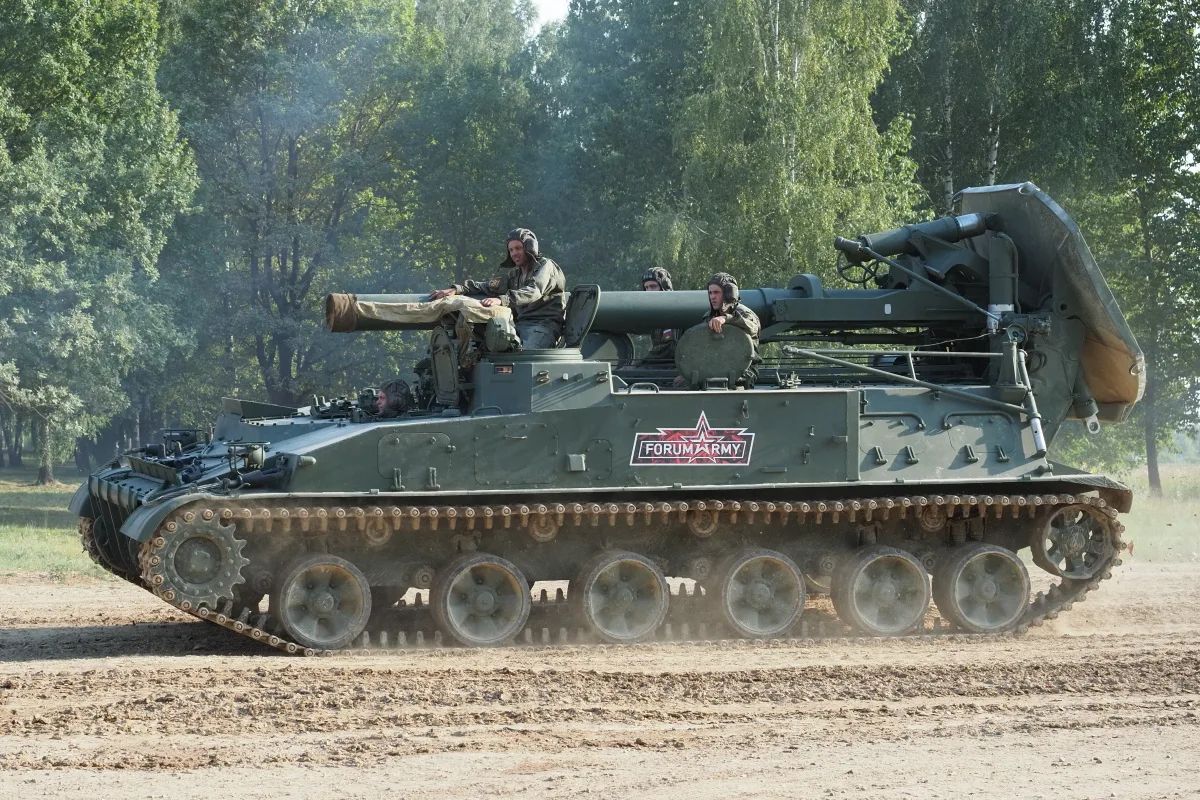
The 2S4 Tyulpan is a Soviet 240 mm self-propelled heavy mortar built around a large breech-loaded 2B8 mortar on a tracked chassis. Its unusually heavy bombs, guided and special-purpose ammunition options, and low rate of fire make it a siege and bunker-attack weapon rather than a conventional rapid-fire howitzer. Soviet and Russian forces used it in Afghanistan and Chechnya, and Russian forces have fielded or lost examples in Ukraine, where its size and firing signature make it a high-value counter-battery target.
Soviet forces used the 240 mm 2S4 Tyulpan in Afghanistan, including a June 1985 action near the Panjshir valley where a 2S4 battery employed Smelchak guided rounds against a Mujahideen stronghold.
Russian forces employed a small squadron of four 2S4 Tyulpan heavy mortars during the 1994-1996 Chechen campaign, using the 240 mm system as high-power artillery against defended positions in and around Grozny.
Russian high-power artillery units employed ten 2S4 Tyulpan mortars in the Second Chechen War, carrying out fire missions around Grozny and mountain targets with high-explosive, cassette, and guided Smelchak rounds.
Russian and Russian-backed forces have fielded the 240 mm 2S4 Tyulpan in Ukraine: OSCE monitors reported a 2S4 in DPR-controlled territory in 2015, later reporting and battlefield imagery documented Russian Tyulpans firing or being destroyed in 2022, and Oryx has visually documented Russian 2S4 losses during the full-scale invasion.
Role details2S4 identifies the baseline Tyulpan self-propelled 240 mm mortar. Later Russian reporting describes overhauled or modernized service vehicles with communications and fire-control improvements rather than a broad family of new-production variants.
| Variant | Configuration | Designation notes |
|---|---|---|
| 2S4 | Baseline self-propelled 240 mm mortar | The original series vehicle carries the 2B8 240 mm mortar on a tracked chassis and reached full operational capability with the Soviet Army in the mid-1970s. Sources: 2S4 Tyulpan M-1975, 2S4 Tyulpan |
| 2S4M | Modernized Russian-service vehicle | Russian modernization reporting describes barrel and recoil-mechanism renewal plus updated communications, positioning, and fire-control electronics for Tyulpan vehicles retained in service. |
The 2S4 Tyulpan fires a family of 240 mm mortar projectiles, including conventional high-explosive, guided, cargo, incendiary, and other special-purpose rounds documented for the Tyulpan and M-240 mortar family.
| Ammunition | Ammunition type | Firing evidence |
|---|---|---|
 | Rocket-assisted cargo projectile | ARES explicitly lists the 3O8 Nerpa as a Soviet 240 mm projectile designed for use with the 2S4 Tyulpan. Sources: ARES Soviet 3O8 Projectiles in Syria |
 | 240 mm high-explosive fragmentation mortar bomb | Army Recognition describes the 2S4 Tyulpan as firing the conventional high-explosive fragmentation bomb 3OF-864 / 53-F-864 as one of its basic 240 mm mortar bombs. Sources: 2S4 Tyulpan M-1975 |
| Laser-guided 240 mm mortar round | Multiple sources explicitly state that the 2S4 Tyulpan can fire the 3F5 Smelchak laser-guided mortar round; TWZ reports Russian use of Tyulpan mortars firing Smelchak rounds in Ukraine, and Militarnyi identifies Smelchak as a laser-guided 240 mm mortar round. Sources: 2S4 Tyulpan, TWZ Smelchak, Militarnyi Smelchak sighting |
| Nuclear 240 mm projectile | Armament Research and other reporting explicitly name 3B11 as one of the 240 mm special-purpose projectiles designed for use with the 2S4 Tyulpan and the M-240. Sources: ARES Soviet 3O8 Projectiles in Syria |
 | Incendiary 240 mm projectile | Armament Research identifies Sayda as one of the Soviet 240 mm rocket-assisted projectiles designed for use with the 2S4 Tyulpan and the M-240. Sources: ARES Soviet 3O8 Projectiles in Syria, This Russian 'Big Gun' Only Had One Purpose: To Destroy a City |
The Tyulpan's operational significance comes from the 240 mm mortar ammunition family as much as from the carrier. Conventional 53-F-864 bombs, rocket-assisted cargo rounds, guided Smelchak rounds, and Soviet special-purpose projectiles all sit inside the M-240/2S4 ammunition lineage, but field reports do not always distinguish a self-propelled 2S4 from a towed M-240 firing the same class of round.
The 53-F-864/3OF-864 round is the baseline 240 mm destructive load for buildings, bunkers, and field fortifications.
Extended-range projectiles such as 3O8 Nerpa explain why the family appears in munition-remnant reporting beyond normal mortar ranges.
ARES documents 240 mm projectile remnants in Syria but frames them as part of the broader M-240/2S4 firing family, so that evidence is not treated here as a standalone 2S4 conflict-use row.
Laser-guided 240 mm rounds make the low-rate Tyulpan more relevant against point targets than an unguided siege mortar alone.
Ukraine reporting directly connects Smelchak rounds to Russian Tyulpan use, while older or indirect mentions remain background only.
OSCE monitors reported a 2S4 Tyulpan in DPR-controlled territory during the Donbas phase of the Russia-Ukraine War.
Sources: Latest from OSCE Special Monitoring Mission to Ukraine, 5 July 2015
Russian modernization reporting described Tyulpan overhauls focused on barrel and recoil work as well as communication, positioning, and fire-control electronics.
Sources: Army Recognition Tyulpan Modernization
Reporting from May 2022 described a Russian 2S4 shown in Ukraine and then targeted by Ukrainian forces during the full-scale invasion.
Sources: Forbes Rare 2S4 Mega Mortar
Rostec said 240 mm 2S4 Tyulpan self-propelled mortars were sent to Russian troops after capital repair under the 2023 state defense order, with modern communications fitted during the work.
Sources: Rostec Tyulpan Overhaul Delivery
Ukrainian reporting identified another Russian 2S4 Tyulpan destroyed near Vovchansk after use against Ukrainian defensive positions.
Sources: United24 Vovchansk Tyulpan Strike