- Side
- Pakistan

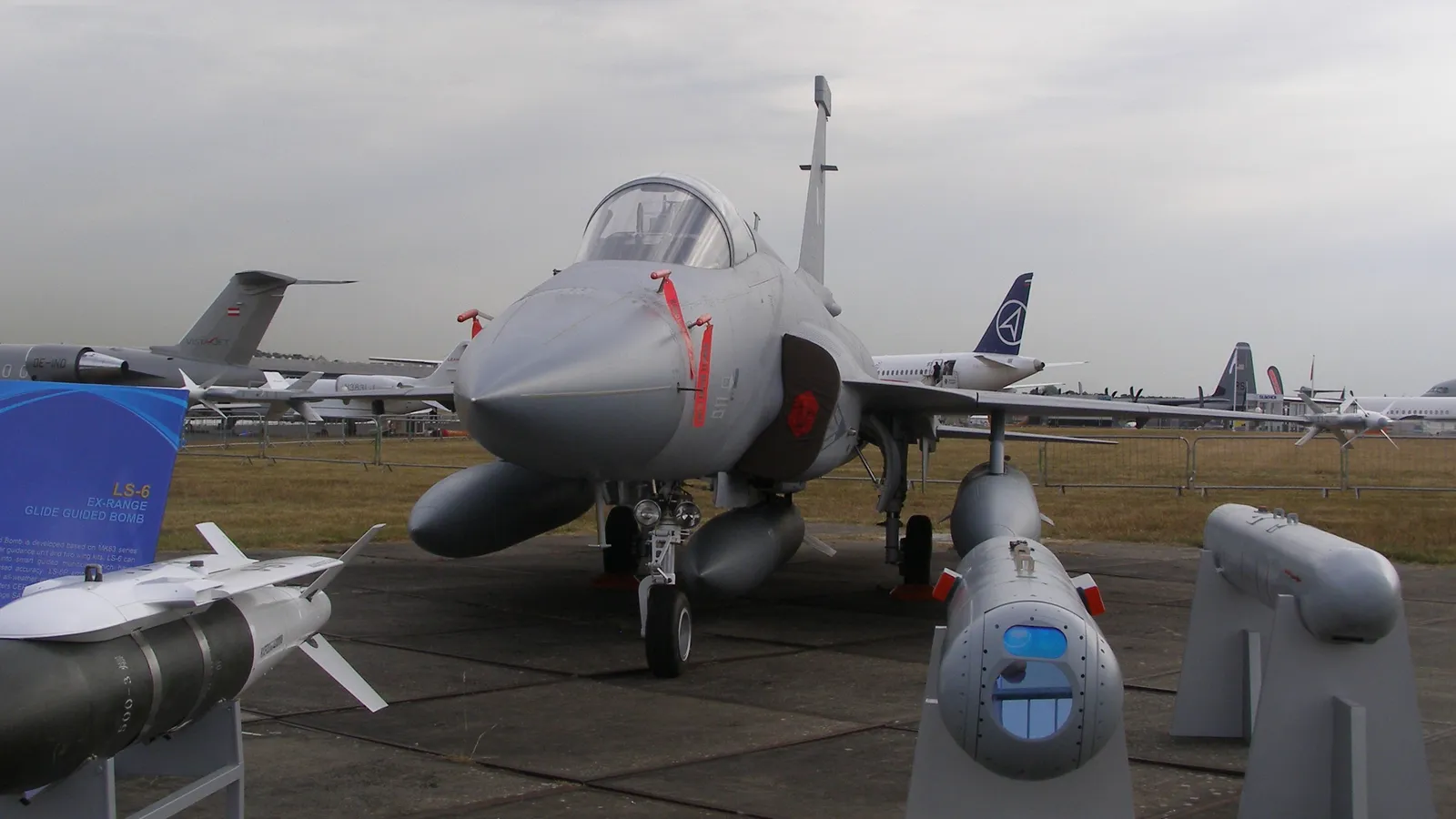
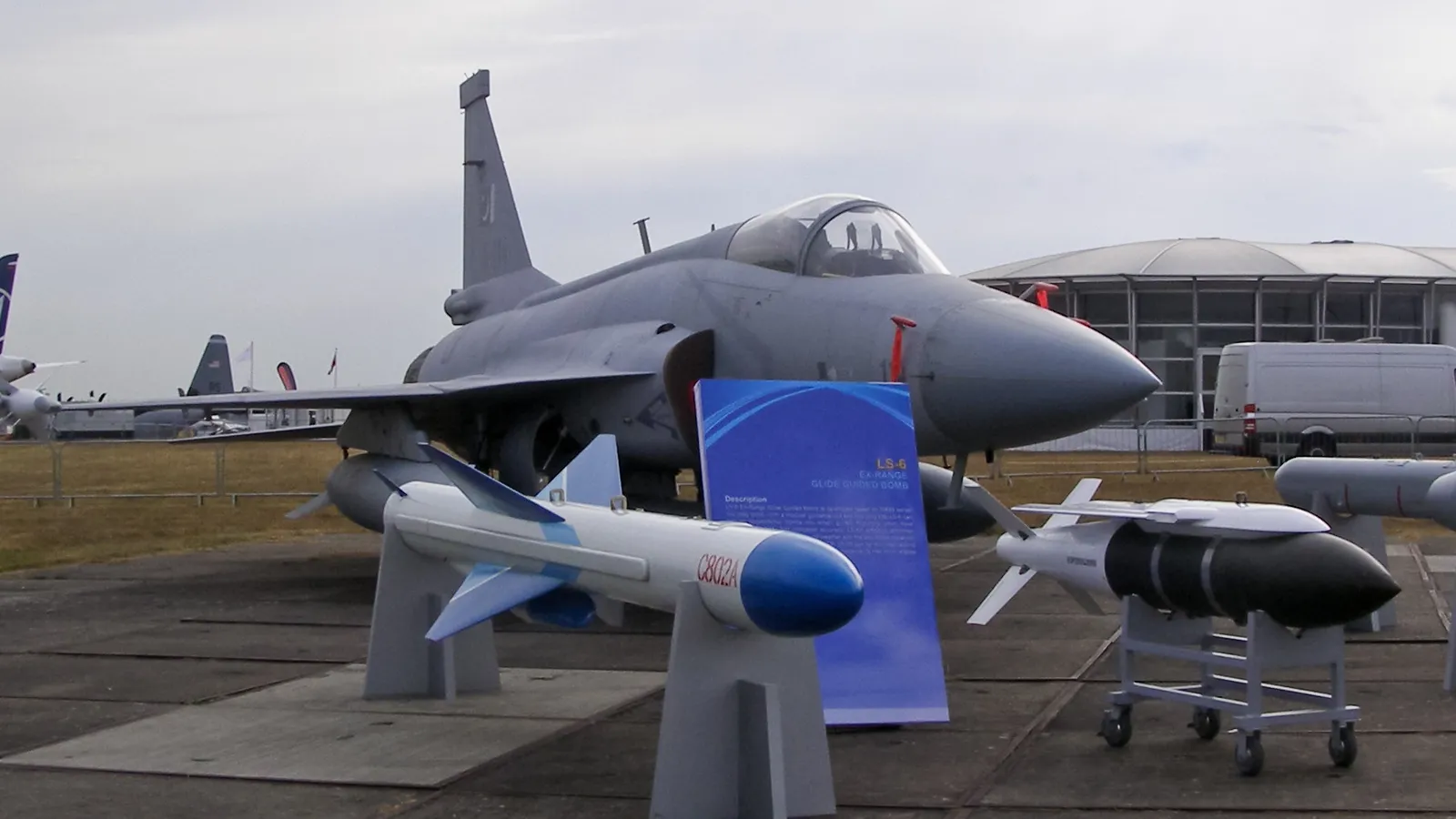
Indian news and government-media reports said Pakistani JF-17 fighters dropped eight LS-6 bombs on Matre Dara village in the Tirah Valley of Khyber Pakhtunkhwa during a September 22, 2025 airstrike.
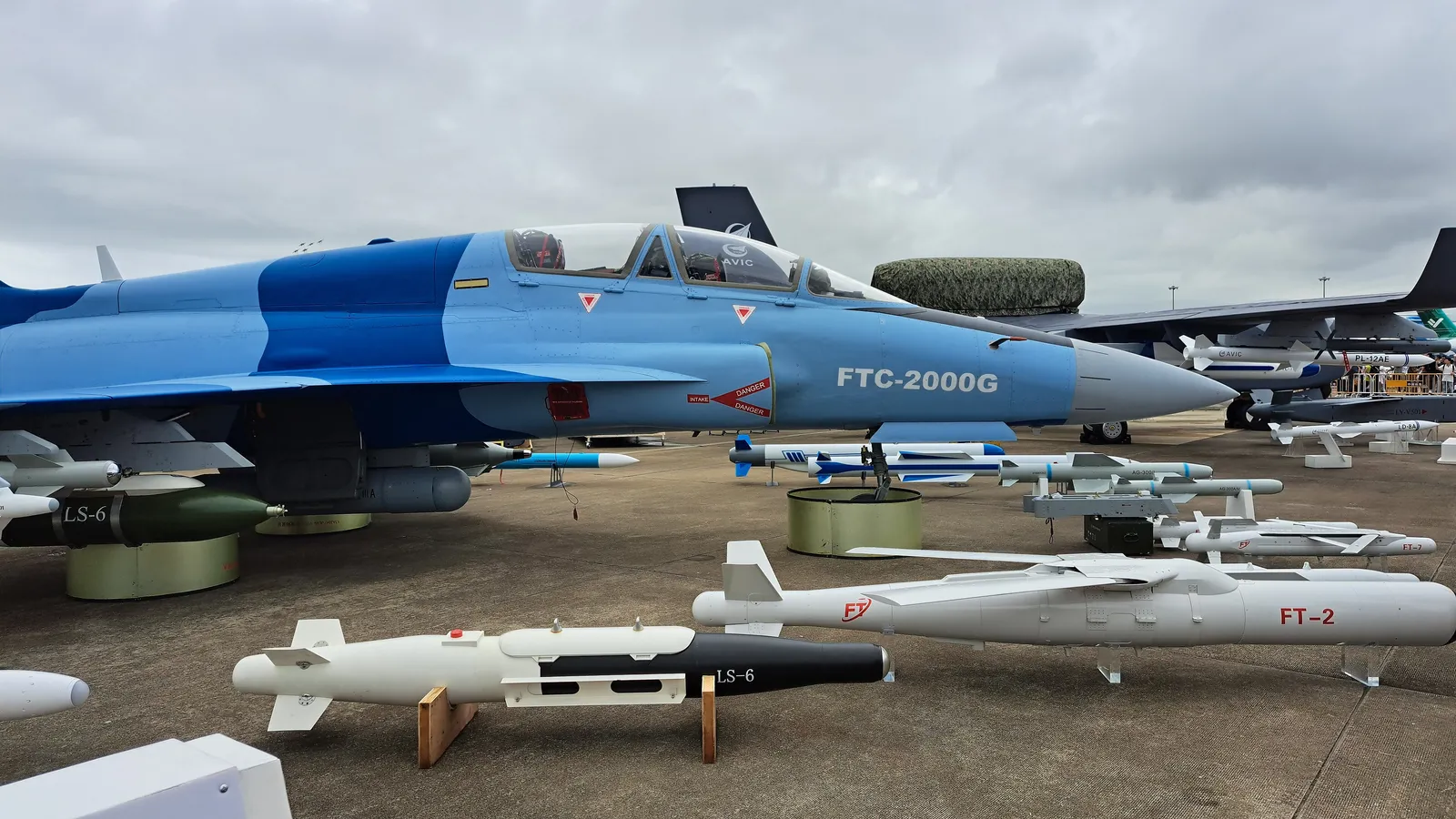
The LS-6 guided bomb family is a Chinese satellite-aided inertially guided glide-bomb kit from the Luoyang Optoelectro Technology Development Center. Public references describe 50 kg, 100 kg, 250 kg, and 500 kg variants, GPS/INS guidance, and compact derivatives intended for internal carriage on stealth fighters such as the Chengdu J-20. Indian news and government-media reports from the 2004 War in North-West Pakistan also connect LS-6 bombs to a Pakistani JF-17 strike in Khyber Pakhtunkhwa in September 2025.
Indian news and government-media reports said Pakistani JF-17 fighters dropped eight LS-6 bombs on Matre Dara village in the Tirah Valley of Khyber Pakhtunkhwa during a September 22, 2025 airstrike.
Open-source references usually describe the LS-6 family by weight class, with 500 kg and 250 kg wing-kit variants and smaller 100 kg and 50 kg derivatives.
| Variant | Configuration | Designation notes |
|---|---|---|
| LS-6/500 | 500 kg class | A larger wing-kit glide-bomb configuration described with combined GPS/INS guidance and a standoff launch profile. |
| LS-6/250 | 250 kg class | A 250 kg class member of the LS-6 family, grouped with the 500 kg version in Luoyang description material reproduced by Air Power Australia. |
| LS-6/100 | 100 kg class | A smaller LS-6 derivative cited in public references alongside the 50 kg, 250 kg, and 500 kg classes. Sources: Chinese satellites turn 'dumb' bombs into 'smart' bombs, LS-6 precision guided glide bomb |
| LS-6/50 | 50 kg class | A compact LS-6 derivative cited in public references and shown by Air Power Australia with tail-kit and terminal-seeker display details. |
Public references connect compact LS-6 derivatives to stealth-fighter internal carriage, Air University reports the L-15B can carry LS-series 250-500kg laser- and satellite-guided bombs on its nine hardpoints, and 2025 reporting identified JF-17 fighters as the launch aircraft in a Khyber Pakhtunkhwa strike.
| Carrier | Carrier type | Carriage evidence |
|---|---|---|
 | Multirole fighter | Reports on the September 22, 2025 Tirah Valley airstrike said Pakistani JF-17 fighters dropped LS-6 bombs on Matre Dara village. Sources: NDTV Khyber Pakhtunkhwa Airstrike, India Today Khyber Airstrike, Akashvani Khyber Airstrike |
 | Interceptor / test carrier | Taipei Times reported PLA Air Force LS-6 testing on the Shenyang J-8B starting in 2006, and Air Power Australia captions an LS-6 prototype carried under a J-8F. Sources: Chinese satellites turn 'dumb' bombs into 'smart' bombs, PLA Guided Bombs |
 | Stealth fighter | Mitchell lists LS-6 guided bombs in the J-20's armament, and Air Power Australia says compact LS-6 derivatives were intended for internal carriage on stealth fighters such as the J-20. Sources: J-20 Technical Data, PLA Guided Bombs |
 | Light attack aircraft | Air University reported that the L-15B can carry LS-series 250-500kg laser- and satellite-guided bombs on its nine hardpoints. |
Taipei Times reported that the LS-6 was first unveiled by Luoyang Optoelectro Technology Development Center in late 2006.
Sources: Chinese satellites turn 'dumb' bombs into 'smart' bombs
The same report said the PLA Air Force began testing the LS-6 by 2006.
Sources: Chinese satellites turn 'dumb' bombs into 'smart' bombs
Air Power Australia described 500 kg, 250 kg, 100 kg, and 50 kg LS-6 variants on public display by 2010.
Sources: PLA Guided Bombs
Air Power Australia said the LS-6 derivatives were intended for internal carriage on stealth fighters such as the J-20.
Sources: PLA Guided Bombs