Aircraft & UAVs

Beriev A-100LL flying laboratory/testbed

Also known as
  • A-100LL
  • Beriev A-100LL
  • A-100 flying laboratory
  • A-100LL flying laboratory
  • RF-93953
  • 52 red
  • Premier-476

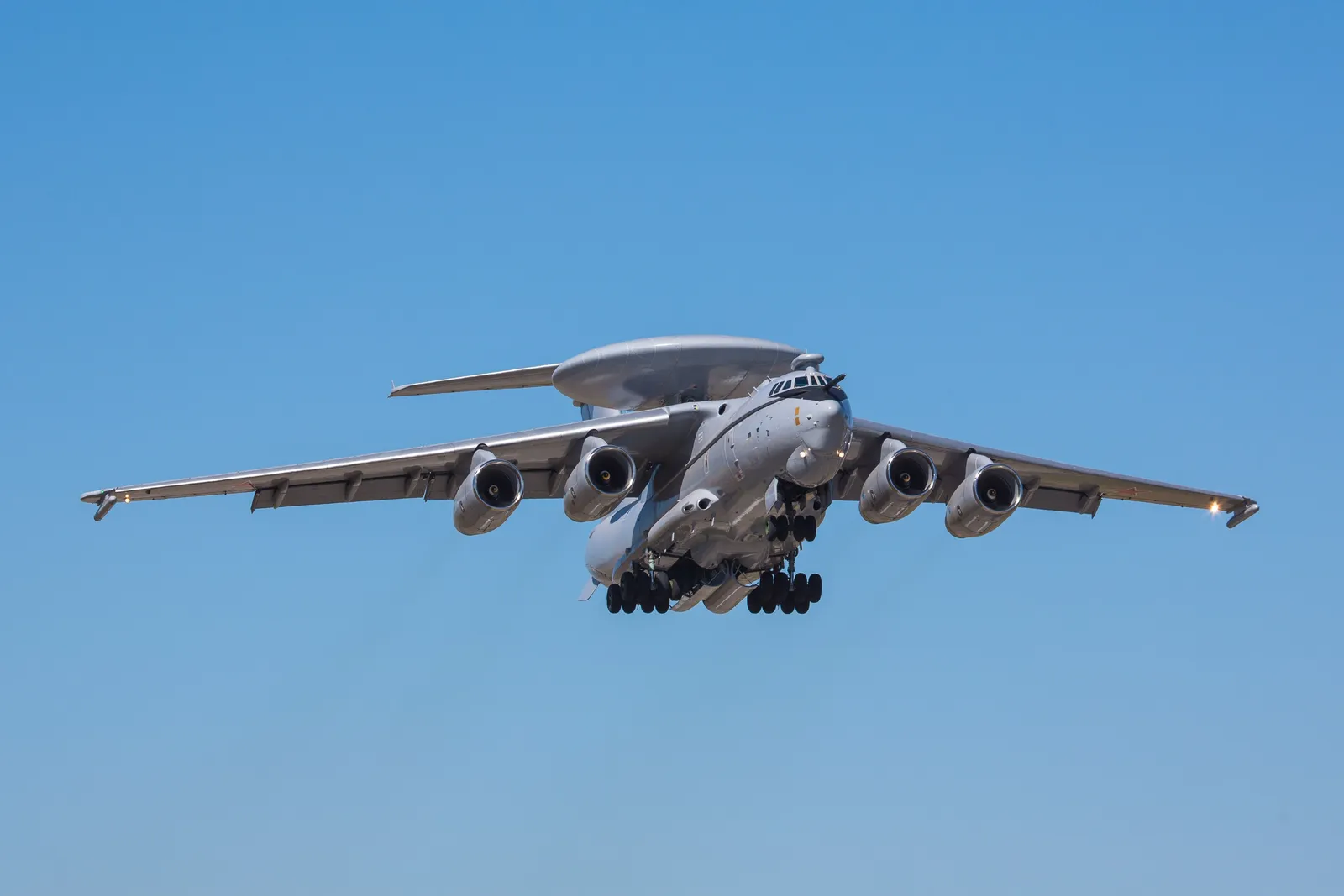
The Beriev A-100LL was a Russian flying laboratory converted from an A-50 airframe to test elements of the A-100 Premier airborne early warning and control mission system before the Il-76MD-90A-based A-100 prototype took over flight testing. Open sources identify it as aircraft RF-93953, red 52, used for ground and flight checks of radio-equipment integration, electromagnetic compatibility, and data-exchange modes rather than as an operational combat aircraft.

Profile / Specs

Profile

Origin
Russia
Built by
Beriev
Type
Airborne early warning and control testbed aircraft
Service note
2010s Russian A-100 Premier test program
Designer
Beriev Aircraft Company with A-100 mission-system work associated with Vega Concern
Designed
A-100 program work began under mid-2000s Russian development contracts; A-100LL flight testing began in 2016
Produced
One converted A-50 airframe used as the A-100LL flying laboratory
Number built
One A-100LL flying laboratory identified in open sources
Developed from
Beriev A-50
Developed into
Beriev A-100 Premier

Specifications

Role
Flying laboratory and A-100 Premier mission-system testbed
Base airframe
Converted Beriev A-50 / Il-76-family airframe
Reported registration
RF-93953
Reported bort number
52 red
Program
Premier-476 / A-100 airborne radar surveillance and control complex
Mission equipment focus
Selected radio-technical complex elements, electromagnetic compatibility, and data-exchange protocols
Operational armament
None reported; special-mission test equipment only
Follow-on platform
Il-76MD-90A-based A-100 Premier prototype
Variants

Open sources distinguish the A-100LL laboratory from the later A-100 Premier prototype: the laboratory used a converted A-50 airframe for equipment and compatibility trials, while the A-100 aircraft moved the mission system to the Il-76MD-90A platform with its operational radome configuration.

VariantConfigurationDesignation notes
A-100 PremierIl-76MD-90A-based AEW&C prototype

Rostec describes the A-100 aircraft as an Il-76MD-90A-based airborne early warning and control complex with Vega radio equipment, a radome, and later radar-on flight testing.

Sources: Rostec A-100 Radar Flight

A-50 Testbed Lineage

The A-100LL was not a clean-sheet aircraft; it carried A-100 trial equipment on an A-50-derived airframe before the newer A-100 prototype was available.

Compatible itemItem typeCompatibility evidence
A-50, Airborne early warning and control aircraft, Aircraft & UAVsA-50Converted AEW&C airframe

TASS and Testpilot.ru say the A-100LL was made from an A-50/Il-76-family airframe, and GlobalSecurity describes it as built around the A-50 early warning and control aircraft to stress-test A-100 elements and electromagnetic compatibility.

Sources: TASS A-100LL First Flight, Testpilot A-100, GlobalSecurity A-100 Mainstay

A-100 Program Airframe

The A-100LL supported the A-100 Premier program, whose later prototype used the Il-76MD-90A airlifter as the production-oriented platform.

Compatible itemItem typeCompatibility evidence
Il-76, Heavy military transport aircraft, Support EquipmentIl-76Transport-aircraft family

Rostec describes the A-100 aviation complex as based on the Il-76MD-90A, while GlobalSecurity says A-100 equipment was to move from the A-100LL to the modernized Il-76MD-90A platform.

Sources: Rostec A-100 Radar Flight, GlobalSecurity A-100 Mainstay

What The Laboratory Tested

The A-100LL's value was as a development aircraft for the A-100 Premier mission system, not as a deployable AEW&C platform. Source descriptions emphasize radio-equipment checks, electromagnetic compatibility, airframe integration, and information-exchange modes that could be evaluated in flight before full A-100 testing moved to the Il-76MD-90A-based prototype.

Testbed airframe

Converted A-50 airframe identified as red 52 / RF-93953 in open aviation reporting.

Program role

Supported the Premier-476/A-100 radio-technical complex by checking selected equipment and electromagnetic compatibility in real flight conditions.

Combat status

No direct combat use is sourced; this entry is therefore treated as a relationship-only testbed page.
Timeline

Beriev A-100LL flying laboratory/testbed Key Events

  1. Il-76MD-90A airframe sent to Taganrog for A-100 work

    Testpilot.ru says the first serial Il-76MD-90A was transferred to the Taganrog aircraft plant for installation of the equipment complex and testing of the first A-100 copy.

    Sources: Testpilot A-100

  2. A-100LL first flight

    TASS reported that the A-100LL flying laboratory made its first flight as part of flight tests, and Testpilot.ru records the same Taganrog first-flight date for the converted A-50-based laboratory.

    Sources: TASS A-100LL First Flight, Testpilot A-100

  3. Premier radio equipment tested in flight

    GlobalSecurity, citing Vega leadership, describes the A-100LL as flying with Premier radio-complex equipment in real flight conditions after ground preparation.

    Sources: GlobalSecurity A-100 Mainstay

  4. A-100 prototype first flight

    Testpilot.ru says the multifunctional A-100 radar watch and guidance aircraft first flew from Taganrog, checking aerodynamic characteristics, avionics, and parts of the radio-technical complex.

    Sources: TASS A-100 Debut Flight, Testpilot A-100

  5. A-100 radar-on flight milestone

    Rostec announced a first flight of the A-100 with onboard radio equipment turned on, describing normal operation of special equipment and aircraft systems under high-intensity electromagnetic conditions.

    Sources: Rostec A-100 Radar Flight

  6. A-100LL reportedly destroyed at Taganrog

    The Aviationist reported that satellite imagery and cross-referenced historical imagery indicated the A-100LL testbed, red 52 / RF-93953, was destroyed during a Ukrainian strike on Beriev's Taganrog facility.

    Sources: The Aviationist Taganrog Testbeds

Related Weapon Systems

Sources