Electronic Warfare

Advanced Self Protection Jammer

Also known as
  • ASPJ
  • ASPJ Pod
  • Advanced Self-Protection Jammer
  • Advanced Self-Protection Jammer Pod
  • External Airborne Self Protection Jammer

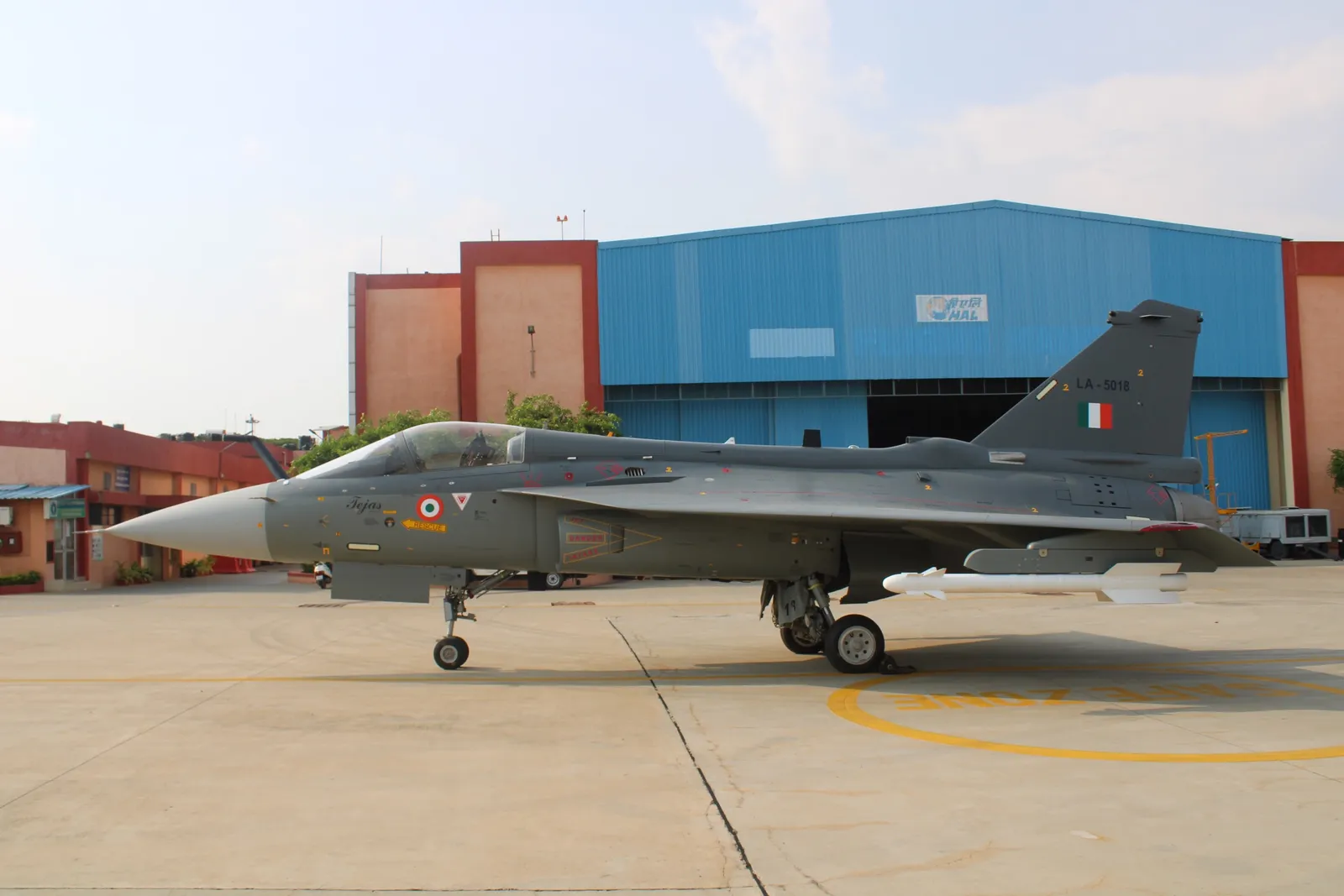
The Advanced Self Protection Jammer is an Indian DRDO airborne electronic-warfare pod associated with the HAL Tejas self-protection fit. Official Indian releases describe it as protecting the aircraft against acquisition radars, fire-control radars, anti-aircraft artillery, and airborne multirole radars, while later procurement approvals extended related external self-protection jammer pods into Su-30MKI electronic-warfare planning.

Profile / Specs

Specifications

Type
Pod-mounted self-protection jammer
Primary documented carrier
HAL Tejas
Related procurement carrier
Su-30MKI
Threat coverage
Acquisition radars, fire-control radars, anti-aircraft artillery, and airborne multirole radars
Role
Provides aircraft self-protection and electronic-warfare jamming capability
Integration context
Part of indigenous sensor, weapons, and EW fit for LCA Tejas; related EWS procurement for Su-30MKI includes external ASPJ pods
Carrier Aircraft

Official Indian releases connect airborne self-protection jammer pods to Tejas and Su-30MKI electronic-warfare fits, without documenting independent conflict use for the pod itself.

CarrierCarrier typeCarriage evidence
HAL Tejas, Single-engine multirole light combat aircraft family, Aircraft & UAVsHAL TejasLight combat aircraft

PIB said Tejas is fitted with the Advanced Self Protection Jammer, which provides the aircraft's electronic warfare capability.

Sources: PIB Tejas and ASPJ

Sukhoi Su-30, Twin-engine multirole fighter aircraft, Aircraft & UAVsSukhoi Su-30Su-30MKI multirole fighter variant

The Defence Acquisition Council approved an Electronic Warfare Suite for Su-30MKI aircraft that includes External Airborne Self Protection Jammer pods, a next-generation radar warning receiver, and associated equipment.

Sources: PIB Su-30MKI EWS AoN

Integration Notes

The public record supports ASPJ as an aircraft self-protection component rather than a stand-alone combat system. Its importance comes from how it extends the survivability fit of Indian fighters.

Aircraft or programmeDocumented jammer contextWhat the source supports
HAL Tejas, Single-engine multirole light combat aircraft family, Aircraft & UAVsHAL TejasFitted with the Advanced Self Protection Jammer as part of the Tejas electronic-warfare capability.Direct ASPJ fitment, threat classes, and indigenous EW-suite context.
Sukhoi Su-30, Twin-engine multirole fighter aircraft, Aircraft & UAVsSu-30MKIElectronic Warfare Suite procurement includes External Airborne Self Protection Jammer pods and radar-warning equipment.Related Indian external ASPJ-pod procurement context for the Su-30MKI fleet.
LCA Mk1A procurementThe 97-aircraft contract lists Swayam Raksha Kavach among advanced indigenous systems for the Mk1A.Later Tejas Mk1A self-protection-suite procurement context, without using it as independent conflict-use evidence.
Timeline

Advanced Self Protection Jammer Key Events

  1. ASPJ shown in Tejas EW suite context

    PIB said DRDO's Republic Day tableau would show indigenous sensors, weapons, and electronic-warfare systems for LCA Tejas, including the Advanced Self Protection Jammer fitted to Tejas.

    Sources: PIB Tejas and ASPJ

  2. Su-30MKI EWS approval includes external ASPJ pods

    The Defence Acquisition Council approved procurement of an Electronic Warfare Suite for Su-30MKI aircraft comprising External Airborne Self Protection Jammer pods, a next-generation radar warning receiver, and associated equipment.

    Sources: PIB Su-30MKI EWS AoN

  3. Tejas Mk1A contract lists Swayam Raksha Kavach

    MoD's contract for 97 LCA Mk1A aircraft listed Swayam Raksha Kavach among advanced indigenously developed systems planned for the aircraft.

    Sources: PIB 97 LCA Mk1A Contract

Related Weapon Systems
BM/KG300G electronic countermeasures system, Airborne ECM pod, Electronic WarfareElectronic WarfareBM/KG300G electronic countermeasures systemAirborne ECM podThe BM/KG300G is a Chinese airborne self-protection jamming pod family for external carriage on combat aircraft, with public sources describing I/J-band radar jamming, automatic countermeasure selection, and integration with radar-warning and dispenser subsystems. The baseline pod is associated with CEIEC/CETC and SWIEE/SIWEE reporting, while 2024 coverage showed a smaller rotary-wing form on a Z-10 and compact pods on an FH-95 UAV.
ALQ-99 Tactical Jamming System, Tactical jamming pod system, Electronic WarfareElectronic WarfareALQ-99 Tactical Jamming SystemTactical jamming pod systemThe ALQ-99 Tactical Jamming System is a U.S. external-carriage airborne electronic attack pod family used to jam radar and communications targets for suppression of enemy air defenses. NAVAIR says it entered service in 1971, served on the EA-6B Prowler before transitioning to the EA-18G Growler in 2010, and remains in use alongside Next Generation Jammer pods, including documented VAQ-133 carriage during 2026 Iran War strike operations.
AN/ALQ-249(V)1 Next Generation Jammer Mid-Band, Carrier-based airborne electronic attack jamming pod system, Electronic WarfareElectronic WarfareAN/ALQ-249(V)1 Next Generation Jammer Mid-BandCarrier-based airborne electronic attack jamming pod systemThe AN/ALQ-249(V)1 Next Generation Jammer Mid-Band is Raytheon's airborne electronic attack pod for U.S. Navy and Royal Australian Air Force EA-18G Growlers, replacing part of the ALQ-99 mission set with two-pod ship sets built around active electronically scanned arrays and a digital back end. It reached initial operational capability in December 2024 and has documented combat-linked use from VAQ-133 deployments in the 2023 Red Sea Crisis and 2026 Iran War.

Sources