Profile
- Origin
- Soviet Union
- Built by
- NPO Splavrelated enterprises
- Built in
- Soviet UnionRussia
- Type
- Illumination rocket
- Service note
- Late Cold War
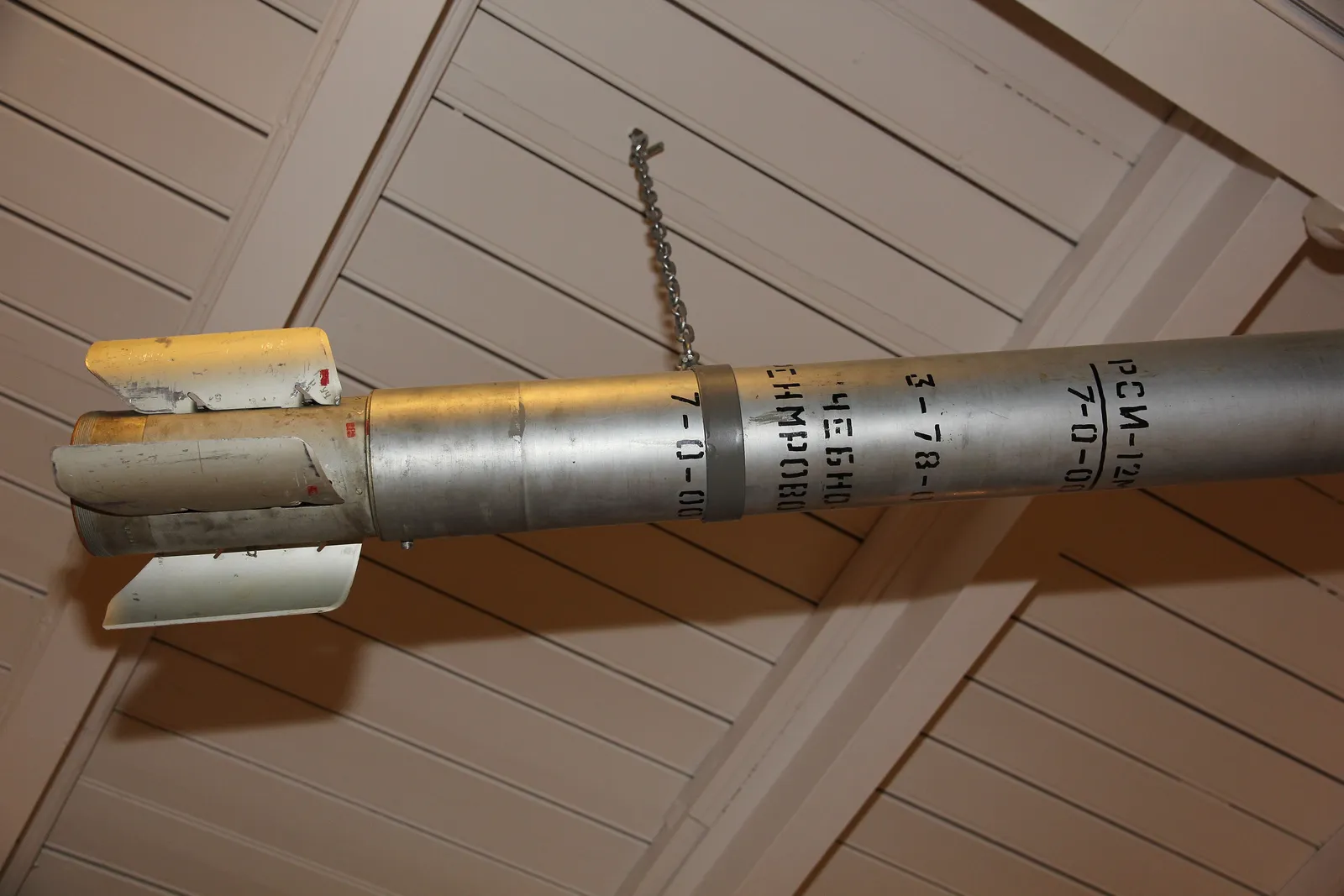
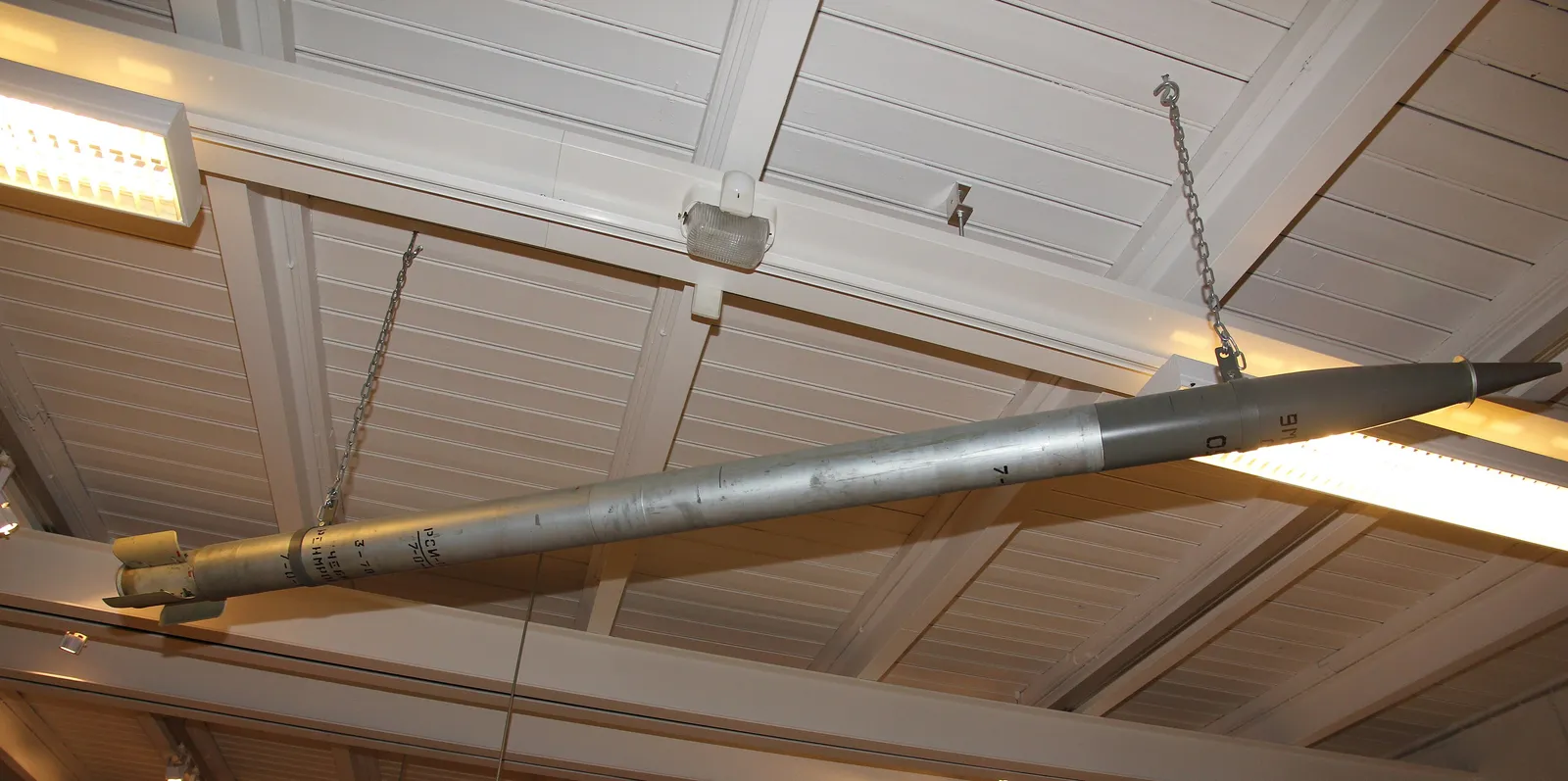
The 122 mm 9M42 is a Soviet illumination rocket developed by NPO Splav and related enterprises for the 9K510 portable illumination system and the Grad rocket family. It is a base-ejecting, parachute-suspended round with a 1,000-5,000 m range, a 90-second illuminating burn, and a 500 m illuminated-radius specification.
CAT-UXO identifies the 9M42 as a BM-21 Grad rocket, while Missilery and the U.S. Army Worldwide Equipment Guide place it in the 9K510 illumination system around a portable 122 mm launcher.
| Launcher | Launcher type | Launch evidence |
|---|---|---|
 | 122 mm multiple rocket launcher | CAT-UXO lists the 122 mm 9M42 as a BM-21 Grad rocket, supporting its place in the wider 122 mm Grad ammunition family. Sources: CAT-UXO 122mm 9m42 grad rocket |
 | portable 122 mm launcher | The U.S. Army Worldwide Equipment Guide identifies the 9P132 one-round launcher with the 9K510 designation when firing the 9M42 illumination rocket. |
The 9M42 is built around night battlefield illumination rather than blast or fragmentation. The round ejects a parachute-suspended illuminating element and is documented as a short-range Grad-family support munition.
| Feature | Documented value | Why it matters |
|---|---|---|
| Illumination duration | 90 s | Gives units a temporary overhead light source for observation and target acquisition. |
| Illuminated area | 500 m radius at 2 lx | Defines the useful light footprint claimed for the suspended flare. |
| Range band | 1,000-5,000 m | Places the 9M42 in a close-support illumination role compared with longer-range high-explosive Grad rounds. |
| Launch context | BM-21 Grad family and 9K510 portable system | Links the munition both to standard Grad ammunition references and to the portable one-round illumination setup. |
Missilery states that the 9K510 portable illumination system with the 9M42 rocket was accepted into service in 1989.