Profile
- Origin
- United States
- Built by
- Caterpillar
- Type
- Dozer ripper attachment
- Service note
- Current D9-family attachment
- Unit cost
- Not publicly documented
The multi-shank ripper is Caterpillar's three-pocket adjustable-parallelogram rear attachment for the D9 dozer, used to fracture rock, frozen ground, and compacted soil before dozing or excavation. Caterpillar publishes the D9-compatible multi-shank dimensions and forces, while IDF material separately shows why rear rippers matter on armored D-9 combat-engineering vehicles.
Caterpillar presents the multi-shank ripper as a rear-mounted dozer attachment for hard-material breakup.
| Carrier | Carrier type | Carriage evidence |
|---|---|---|
 | Large dozer | Caterpillar's D9 product page lists the multi-shank ripper as a specialty rear attachment option for the D9 family. Sources: Cat D9 Dozer |
The multi-shank ripper is useful context for armored D9-family pages because it is a rear tool, not a separate vehicle. The strongest public sources identify the D9-compatible Caterpillar attachment and the broader combat-engineering purpose of rear rippers.
| Topic | Documented detail | Source |
|---|---|---|
| D9 fit | Caterpillar lists the multi-shank ripper as a D9 specialty rear attachment and separately lists a three-shank rear attachment option for the D9. | Cat D9 Dozer |
| Ripping function | Caterpillar describes dozer ripper systems as rear-mounted attachments that use shanks, tips, and protectors to fracture hard material before it is moved or managed. | Cat Ripper Systems for Dozers |
| Operating technique | Caterpillar's operator guidance frames ripping as a straight-line task where depth, shank angle, and drawbar pull are adjusted to material and traction. | Cat Dozer Ripping Techniques |
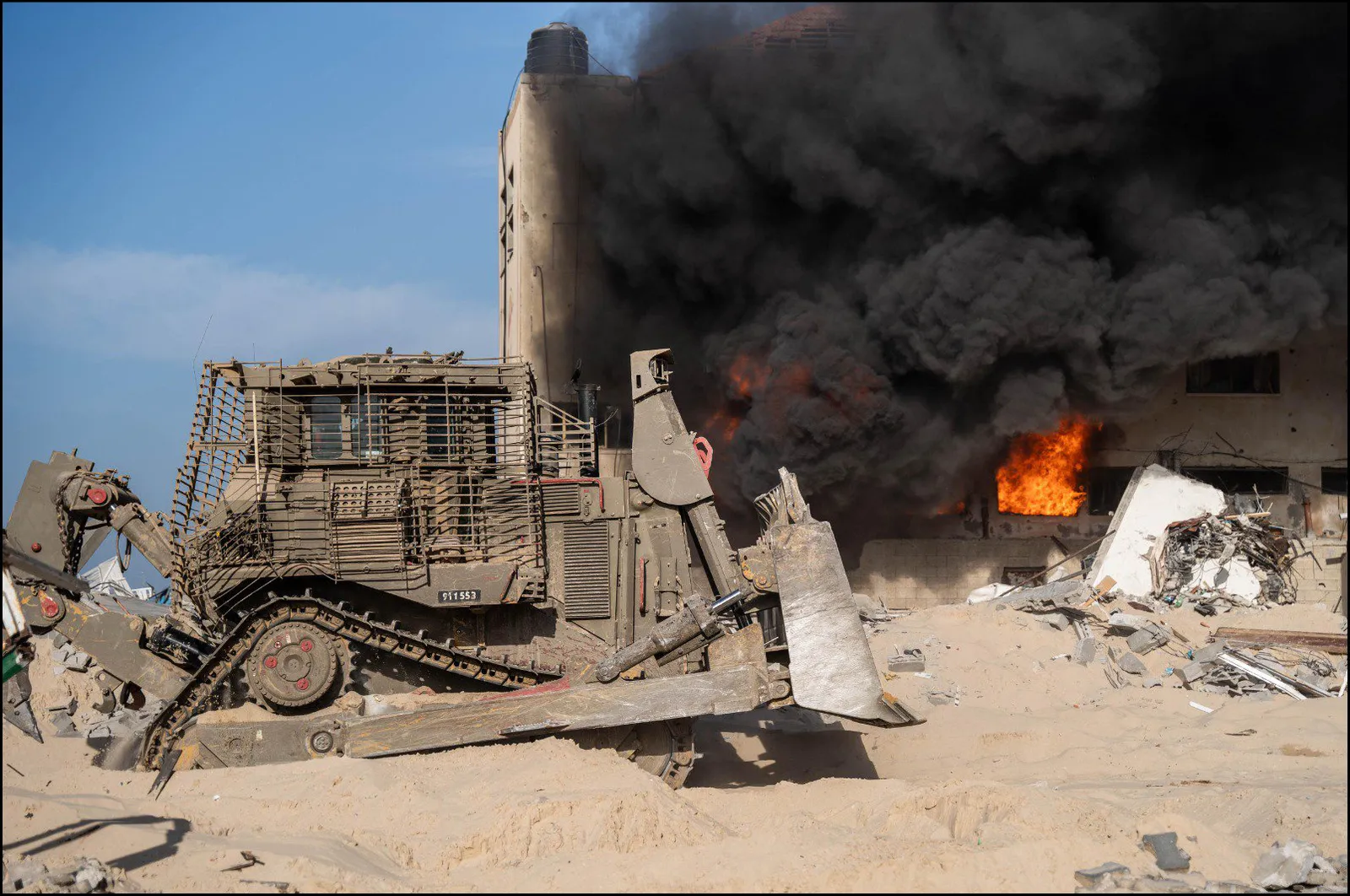
| Armored D-9 context | The IDF says the armored D-9 carries a rear ripper for concrete obstacles; that source supports rear-ripper combat-engineering context but not a specific multi-shank configuration. | How Does the D-9 Save Lives? |
Caterpillar's dozer ripping guide describes ripping as a straight-line, shank-depth-dependent task for breaking hard material and gives operating guidance for Cat dozers.
Sources: Cat Dozer Ripping Techniques
The IDF describes the armored D-9 as a combat-engineering vehicle with a rear ripper used to destroy concrete obstacles, adding vehicle-context for the attachment family without identifying a specific commercial shank configuration.
Sources: How Does the D-9 Save Lives?
Caterpillar's ripper-system page describes Cat dozer rippers as rear-mounted attachments with frames, shanks, tips, and shank protectors, and notes that single- or multi-shank setups depend on the model and application.
Sources: Cat Ripper Systems for Dozers